
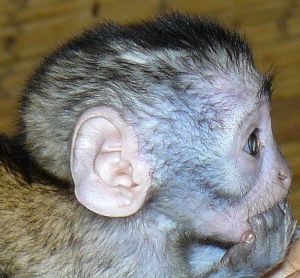
 What do you think when you see baby monkeys? Cute hey! And if you see someone cuddling or bottle feeding a baby monkey, would you like to do that some time? Baby primates have a huge appeal to us. Being soft and furry with big eyes but so much like us, needing some love or playing around being crazy, hits a soft spot. Same here, of course. Gotta love your primates to make them your job. It’s a good thing. The appeal they have, might help save them from extinction!
Exploitation of cuteness
But then there are people who don’t have a soft spot anywhere to be found taking advantage of this. They exploit cute baby monkeys by selling them to people who want to cuddle them. Meaning well these people take these cute little things into a lonely life without companions of their own species, no way to show their natural behaviour and often turning depressed, sick or aggressive. A cute baby chimp becomes stronger than us at age seven and then into an adult who can kill you in a heartbeat. Other people are wise enough not to take one home, but have their picture taken with monkeys on a leash or with dressed up orangs like a star football player recently did. These primates live sad lives and are often abused. Nothing cute about that.
Tender Love and Care
This is where we come in. We’re working at sanctuaries which take in ex-pets, ex-entertainment animals and victims of the bushmeat trade. And with our job comes the privilege of handling these primates. The cuddles, the playing, the bottles, everything. Al though only a small part of the job, besides all the hard work, we love it. There was Kobulu the young bonobo still with a human foster-mom before being introduced with the other bonobos. He came for a visit every morning, escaping from his mom sitting on the chair across from me, giving me a hug or challenging me for a game. Olivia the high maintenance little vervet princess who would have big tantrums for such a small girl, but would calm down in my hands. Vanga a gorgeous baby boy who refused to eat or drink after seeing his family being killed by hunters. With a lot of TLC I earned his trust and he took a bottle from me, heart-warming. Holding Kinness’ hand, a big male vervet with crooked teeth weird spots and big friendly eyes who had been a pet his whole life until he bit the children. He had to adjust to a life without the only family he had ever known, becoming a monkey again. Richard who we released with his new family in Kasungu becoming wilder and wilder, but occasionally still walking up to us to remove painful spear grass from our pants. Being cared for by a young now wild baboon is truly something special!
How to love baby primates
But we won’t show you these pictures. We can’t. Like many responsible organizations we decided not to encourage anyone to cuddle monkeys. Since the only responsible way you can do this, is to get a job like ours or to volunteer at a good sanctuary that has strict rules about this. We don’t want to contribute in any way to people buying primates or taking pics with abused animals of any species!
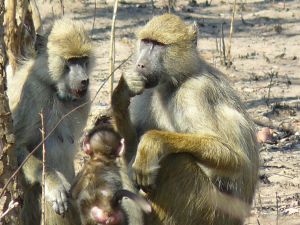 So back to you. We want to show you our beautiful, cute, interesting primates. They deserve your attention and we love it when you love them. What we will show you is all the cuteness when they play or cuddle with each other or just their beautiful faces. And we will tell you about our cherished moments. And we hope that that will be enough for you to enjoy and maybe for you to want to protect them and tell your friends the right way to enjoy these cuddly creatures: in the wild or in a good sanctuary.
‘In the end, we will protect only what we love.
We will love only what we understand.
We will understand only what we are taught.’
Baba Dioum
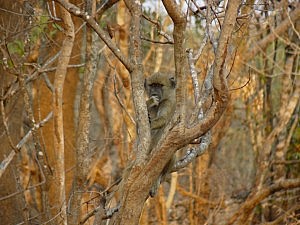
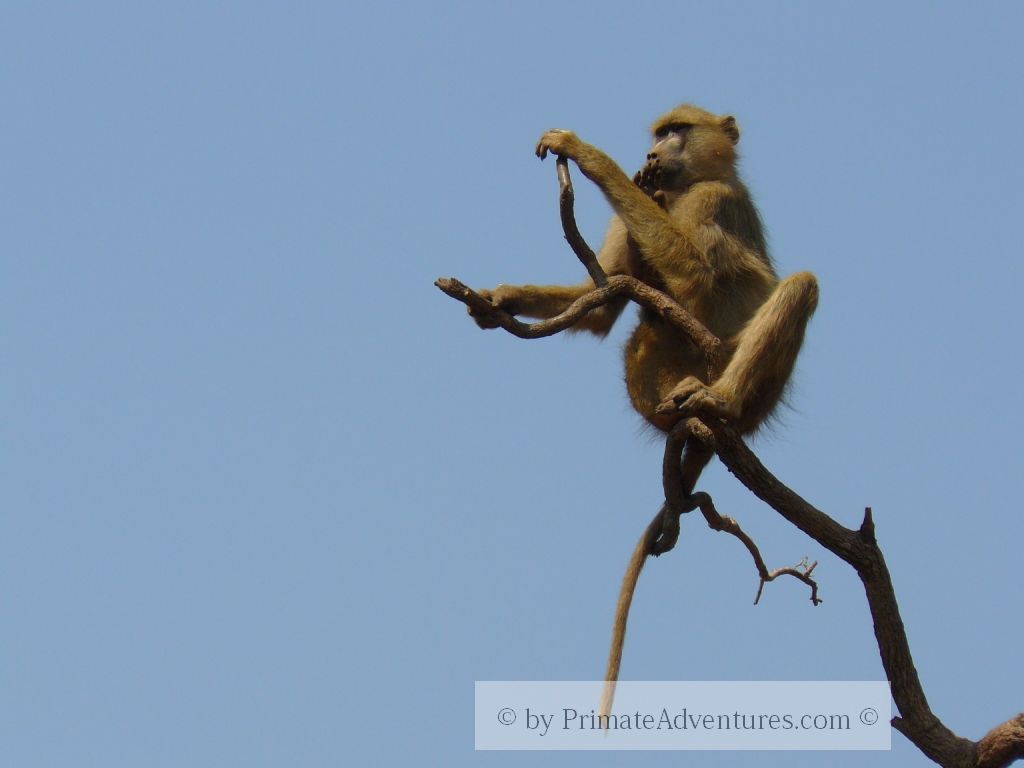
 e release group from Lilongwe Wildlife Centre. They walk towards the release team, showing off their shiny fur, their big bellies and their healthy babies. They don’t need us anymore…what a year it has been. After their rough start in life they got the chance to live in the wild. Which is beautiful and free but also tough. They did so well!
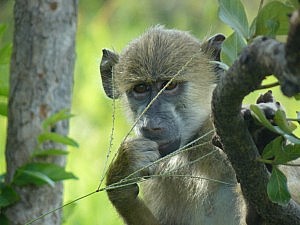 males grew up during this year and decided to go find some new females. In a wild troop they would grow up with mothers, sisters, and aunts so it is natural for them to take off and find some unrelated ladies that they can make babies with. We still hope to run into them some time so we can see they found their place.
 We have been around less and less and to them we are strange creatures. The males keep them away from us and rightfully so because they should stay wild. Some of the males wear the scars of their wild life where they have fought for their place in the group as well as for their females. The wild guy that joined the group had to leave again. He thought he could have his share of the good life with our group but underestimated how much our males like their ladies and were willing to work together to keep him away from them. They have fought hard but lived to tell and their scars make them look tough and seem to be proof of their capability of living the wild life. Who said it would be easy?

 Primate Adventures